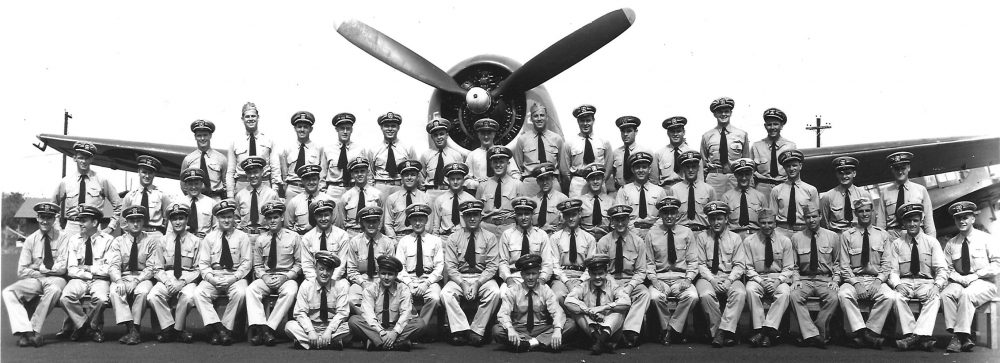
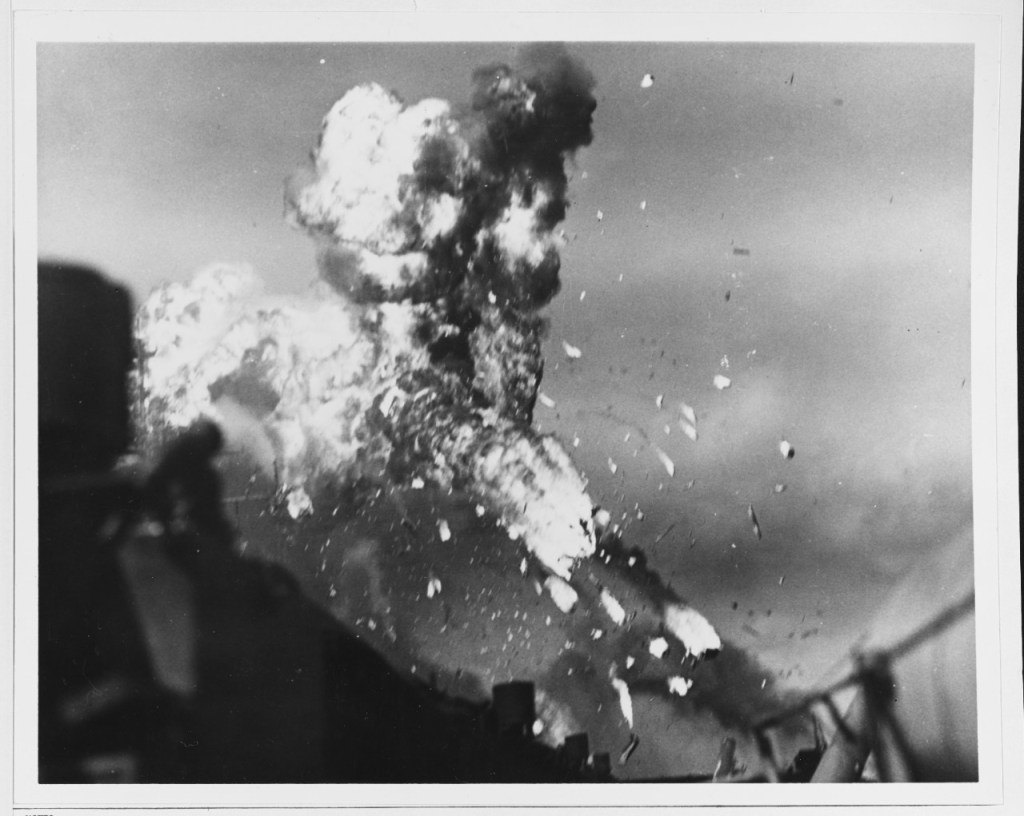
25 November 1944 is one of the best-known episodes in USS Intrepid’s history. That afternoon, two kamikaze pilots crashed their planes into the ship within minutes of each other. Intrepid was so badly damaged it was almost written off as lost. Sixty-nine officers and men were killed and scores more were wounded. However, thanks to the bravery and ability of the ship’s crew, Intrepid stayed afloat and was able to limp back to the States for major repairs.
Much less is known about the missions flown by Fighting 18 pilots that day. While separate Dive Bombing and Torpedo squadron aircraft action reports are available, the Fighting 18 paperwork appears to be Missing In Action. I’m happy to say that in the course of my research, I’ve located some documents that shed light on the subject. The first is a list of recommendations for awards. It begins:
On 25 November 1944 eleven planes of Fighting Squadron EIGHTEEN were launched to sweep Nichols and Nielson airfields, Manila, P.I. Over Nielson Field the formation was attacked by 15-20 enemy fighters. Eleven enemy aircraft were destroyed and one was probably destroyed without loss or damage to our own fighters.
Though no Fighting 18 pilots were lost, Frederick Wolff had a close call during the swirling aerial combat over Nichols and Nielson:
Lieut. F.C. WOLFF destroyed one Tojo. After evading a four-plane attack WOLFF dove on two Tojos attacking a single F6F. His first bursts caused one Tojo to split “S”. He then closed on the second from 4 o’clock up. WOLFF’s fire drew flames from engine and wingroot. The enemy pilot bailed out and his plane crashed to the ground.”
This episode also reveals the lengths squadron members would go to in defense of their fellow fliers. After being attacked by a numerically superior force and while still separated from his section mate, Lieut. Wolff pressed the attack to help out another fighter pilot in distress. It was a valiant act and helped down an enemy plane, evening up the fight. Frederick Wolff was awarded the Gold Star in lieu of a second Air Medal for his fearlessness and combat prowess.

The fighter sweep was not the only aerial activity for Fighting 18 that day. There were also attempts to protect the fleet as part of combat air patrol sorties, and bomber escort for strikes on and around Luzon, Philippine Islands. The recommendation for medals list continues:
On 25 November the enemy made a determined attack on our carrier task force. Several groups of bomb-ladened [sic] single engine planes came in at varying altitudes. Three pilots of Fighting Squadron EIGHTEEN each destroyed one enemy aircraft while on combat air patrol and a fourth was shot down by one of our pilots returning from a strike.
Credit went to “Tony” Denman, who scored while returning from a strike; Cecil Harris, marking his 24th and final victory of the war; Roy “Bud” Burnett, who apparently had to evade serious canon fire from his adversary; and Jesse Barker, whose saga was captured by the intelligence officer aboard USS Ticonderoga where he landed his damaged aircraft. According to this aircraft action report, which is the only VF-18 action report I have been able to find from this date:
One pilot, Lt. Barker, had taken off at 1245(I) with Strike 2C, had shot down and [sic] OSCAR as stated in ITEM V & X. Due to injury to his cockpit hood by a flying piece from the OSCAR which knocked out one starboard panel, plus an oil leak, plus no radio, Lt. Barker sought to return to Parent CV. He was taken under fire from own AA during a “KAMIKAZE” suicide attack and while leaving the area of TG 38.2 at best speed, saw the two JILLS mentioned in ITEM IV flying low and inside the screen. Lt. Barker sought to make a run on the nearest JILL and followed it into intense AA from own ships but was unable to close to effective range before he was forced to break off.
There were also successes against enemy surface vessels. Bob “Growler” Gowling of Strike 2C had a close call during his bombing mission. According to the recommendations for awards document:
The flight in which Lt. GOWLING’s division participated sighted two enemy destroyers in Balancan Bay, Marinduque Island. Although both ships had been previously attacked their anti-aircraft fire was intense and of all calibres. Lieut. GOWLING dove from 10,000 feet and released his 500 pound bomb at 1,500 feet. His wingman confirmed the hit which was slightly aft of the stacks. Black smoke poured from the destroyer and its anti-aircraft fire lessened. Following his bombing run Lieut. GOWLING pulled up and began his strafing run. After several long bursts to the base of the stacks the destroyer suddenly blew up throwing fire and debris to 500 feet. The blast threw Lieut. GOWLING’s plane out of control and several fragments struck his engine. With cool skill he regained control and despite loss of power and oil he brought his aircraft safely back to base.
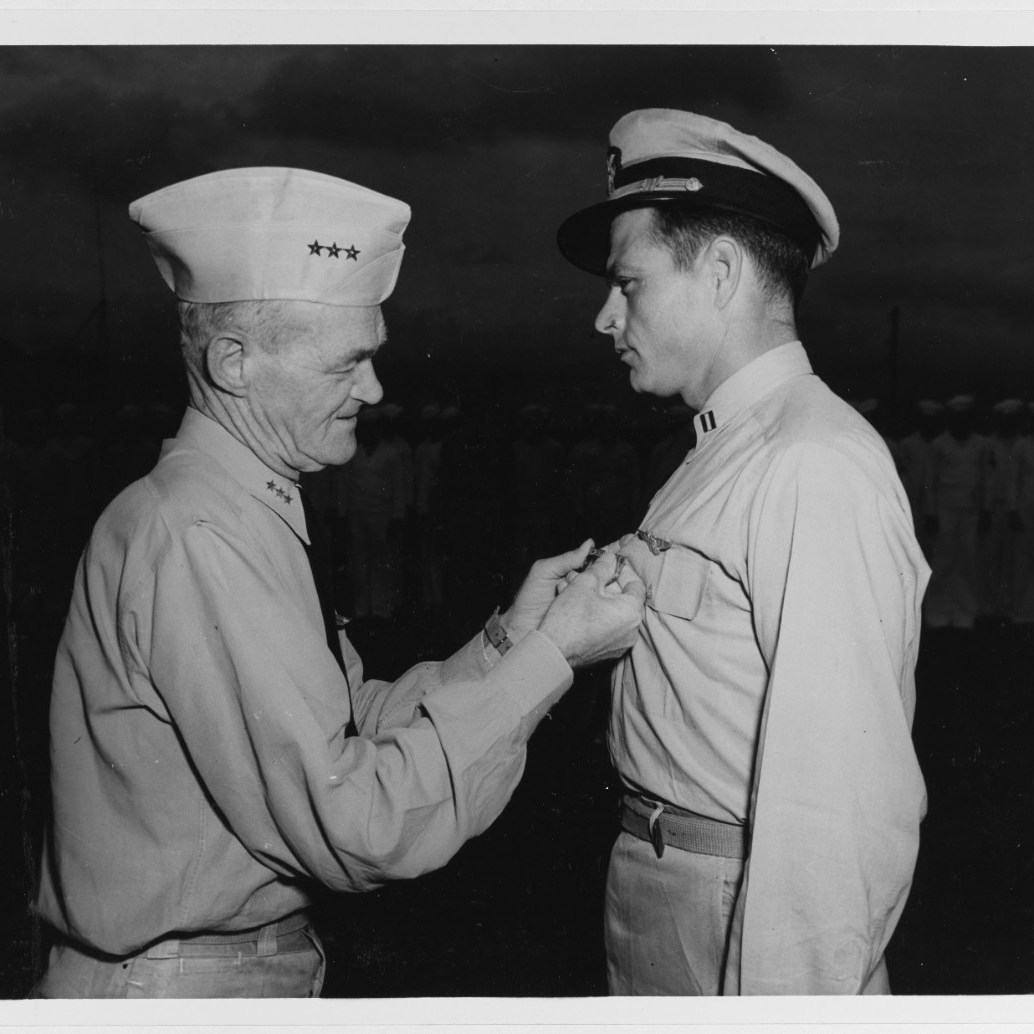
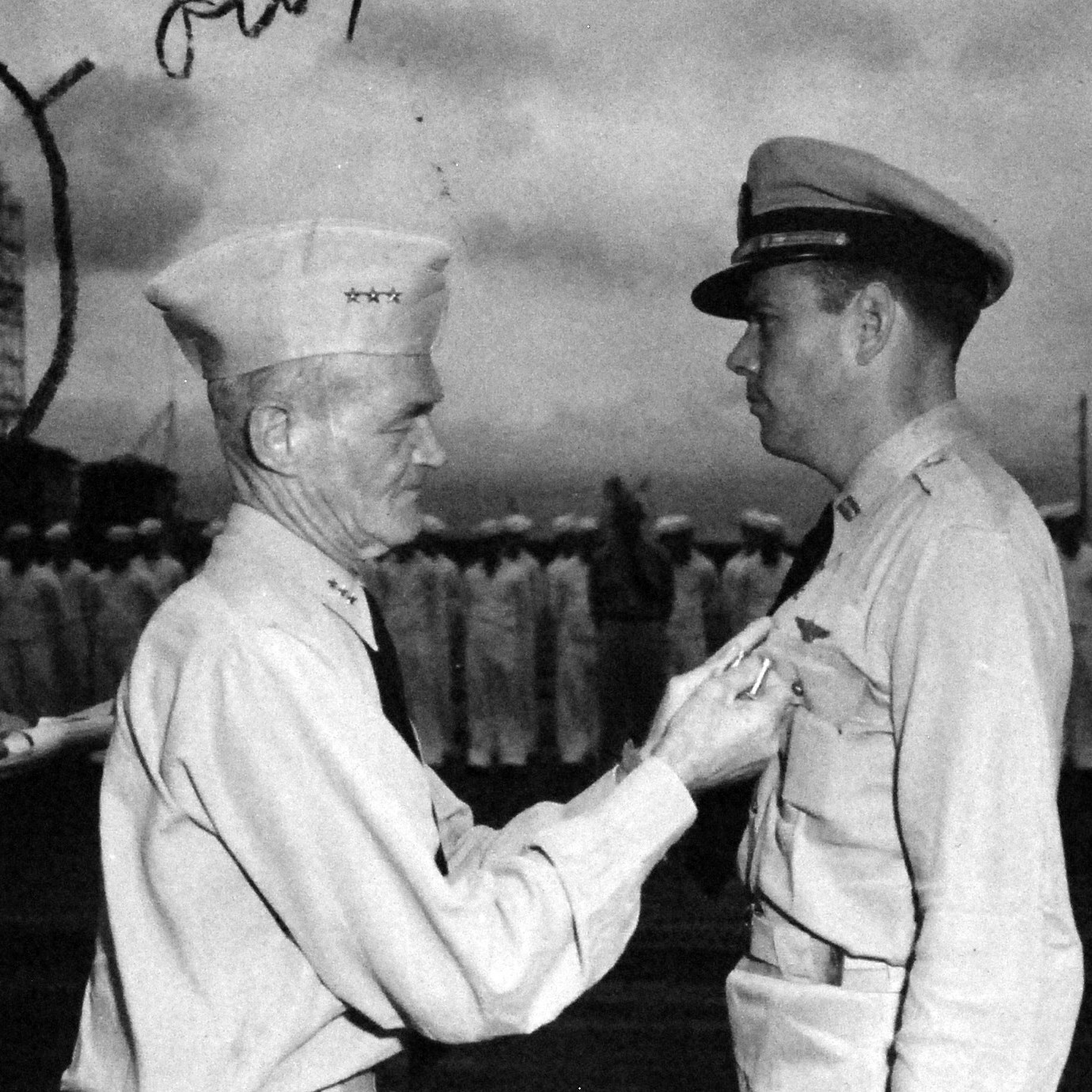
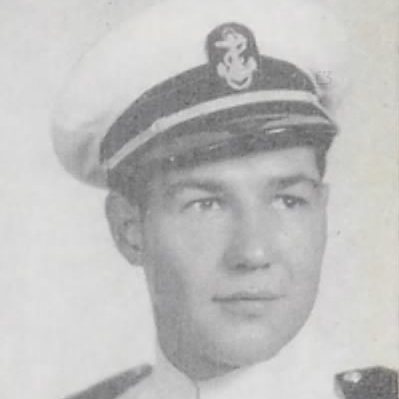
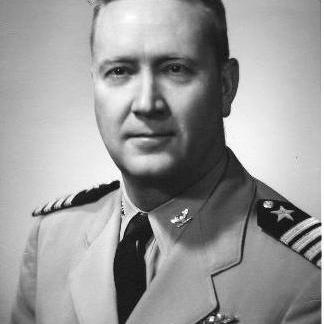
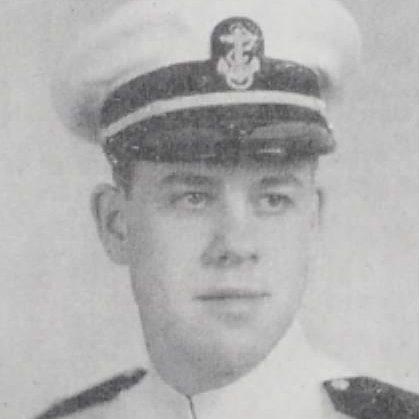
Top down from left to right: Cecil Harris receiving award from Admiral Marc Mitscher; Roy Burnett receiving award from Adm. Mitscher; Anthony “Tony” Denman; Jesse T. Barker; Robert “Growler” Gowling
Besides this official record of what happened, there is also a first-hand account from the diary of Charles “Punchy” Mallory, one of Fighting 18’s photographic fighter pilots who experienced the pandemonium of 25 November aboard ship, in the air, and later on the ground with the Army. Mallory wrote:
We went to General Quarters at 12:30 just as Strike 2C hop started out. (I had taken off on 2B but had to land back aboard – oil leak) I moved my plane on the hangar deck. Suddenly the ships opened fire with everything on attacking Jap planes. A Zeke crashed on the Hancock and started a big fire. I was yelling and raising hell because they were waiting to launch me last. Finally I got off and climbed wide open to 9,000′ west of the force. Everyone was chasing Japs. I saw the ships open up on two coming in low but I couldn’t get to them. Then one crashed into the Intrepid and started a roaring fire. He was followed by another a few minutes later. She was a roaring mass of flames and exploding bombs.
When we were about fifty miles from the ship, Bingo called us and ordered us to proceed to Leyte and land…Arrived at Tacloban about five and landed. What a mess! The field was loaded with planes of all types. About dark the Japs started coming in and they bombed us until about 01:30. Believe me I was scared – not from the Japs (although one passed over head about 500′) but from our A.A. They threw up a tremendous barrage but it all hit behind the Japs…It was a helpless naked feeling to be in the raid without even a helmet or a truck to crawl under. We hid behind coconut trees during the worst of it. Believe me it was a fourth of July.
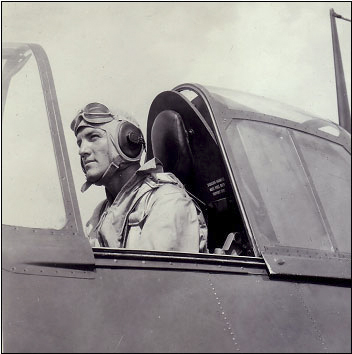
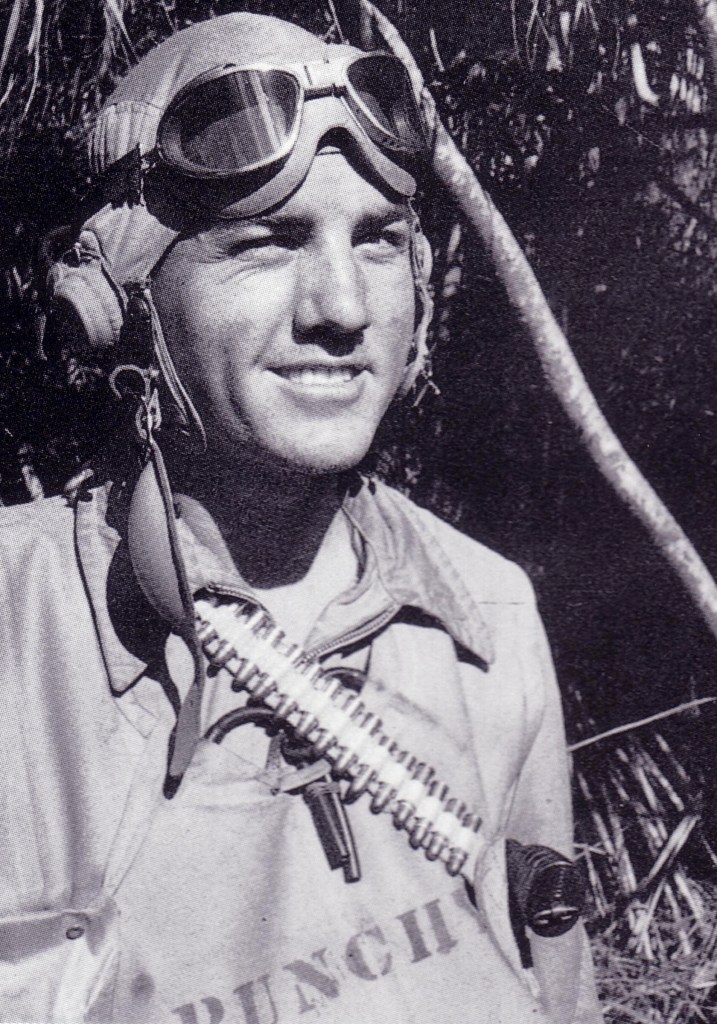

Though not exhaustive, these documents help reconstruct the experience of VF-18 pilots on that extraordinary day. Remarkably, after almost three continuous months of grueling combat—and having their ship shot out from under them—Fighting 18 was assigned to USS Hancock to continue flight duty. They did not ultimately make it back home until January 1945. The vast majority of original Fighting 18 pilots opted to stay with the squadron when it reformed later that year, including Harris, Denman, Wolff and Gowling.
 Two-a-Day 18
Herlihy was in the air when Intrepid was Kamakazied. As the deck was I useable he landed back aboard Hornet.
LikeLike
I imagine it was a sight he never forgot! I wonder which strike he was part of that day. Those details may be in his flight log book or they may be lost to us at this juncture. Names of pilots are usually left off of action reports unless something particularly noteworthy happened, like a pilot shooting down an enemy or themselves being shot down. I have done my best to start reconstructing the strike rosters for Fighting 18’s deployment but there are still quite a few holes. Thank you so much for your interest in your father’s experience. Please feel free to reach out via email if you have any questions for me or have any additional information you think would be helpful in my research/writing. My email is fightingsquadron18@gmail.com and I see you’ve already found the social media pages. Cheers, Mike Fink
LikeLike